Rocjá Pomtilá
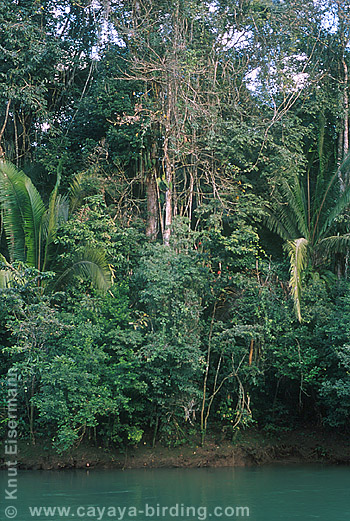
Rocjá Pomtilá is a Maya Q’eqchi’ village in the vicinity of the Laguna Lachuá National Park, on the shores of Río Ik'bolay. A geologic speciality are the springs of río Ikbolay near Rocjá Pomtilá. After traveling 400 m underground through the karst, the river literally springs from the earth. During the rainy season the force of the water creates several columns of water up to one meter tall.
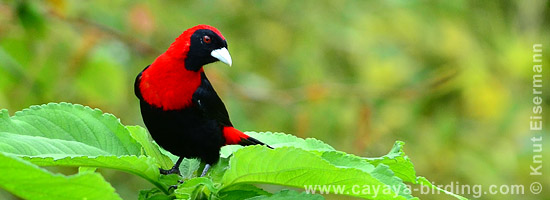
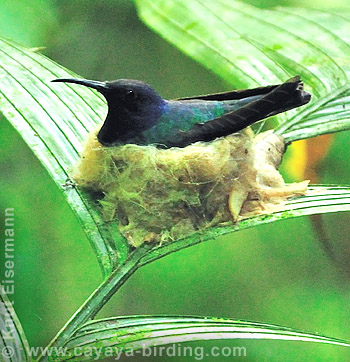
Located in the transition zone between lowland and foothill, Rocjá Pomtilá has a rich bird diversity. More than 320 bird species have been recorded by the PROEVAL RAXMU Bird Monitoring Program. Several villagers learned their bird identification skills with PROEVAL RAXMU.
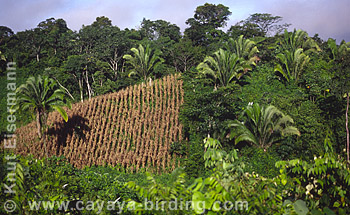
The surroundings of Rocjá Pomtilá are a mosaic of rainforest patches, corn fields, cardamom, and cacao plantations, and secondary scrub at different stages of development. Cardamom plantations make quality birding sites as they are generally planted below the shade of rainforest trees.
Because Rocjá Pomtilá is located at the base of foothills running across northern Guatemala, some special bird species are found here, such as Keel-billed Motmot, Nightingale Wren, Russet Antshrike, Slaty Antwren, Plain Antvireo, and Green Honeycreeper.
The Laguna Lachuá National Park and Rocjá Pomtilá harbor a large assemblage of rain forest raptors, including three hawk-eagles (Black-and-White, Black, and Ornate Hawk Eagle), White Hawk, Common and Great Black Hawk, Gray-headed and Double-toothed Kite.
At the end of your birding day Rocjá Pomtilá invites you to relax with the local villagers and experience the traditional life of the Maya Q’eqchi’, Guatemala’s second largest Mayan linguistic group.
How to get there and accommodation: Rocjá Pomtilá is accessible from Cobán on asphalt and dirt road (140 km), no 4-WD required. Rocjá Pomtilá offers rustic camping-style accommodation in the villager's huts. Electricity and running water is not available, however the use of well and river water is common for general use and purified bottled drinking water is available. All meals will be prepared for you by women from the local village, giving you a chance to sample some of the regional recipes from this area of Guatemala.
When is the best time for a visit to Rocjá Pomtilá? Any time of year is well worth the trip, however the primary bird breeding season is March to June, with the highest bird activity.
How do you support conservation and development in Rocjá Pomtilá? Rocjá Pomtilá is a small Maya Q’eqchi’ community living from small-scale agriculture (corn, cardamom, cattle). Several villagers have received special training to be more directly involved with tourism as guides, cooks and bird specialists. Rocjá Pomtilá has received assistance from several organizations in recent years to help initiate eco-tourism and artisan education projects with the aim of helping local people to raise their incomes and quality of life and to diminish the anthropogenic impact on the neighboring primary rainforest in Laguna Lachuá National Park and the village's own rainforest reserve. Your interest in environmental conservation and your tourist income will be a significant help towards increasing local interest in preserving natural resources. It will show villagers how unique and special the rainforest around them is and will provide an alternative income. For the bird census takers from the community, your visit will spark their interest and give them an added incentive to keep seeking out more information about the birds in their area that they will be able to share with future tourists. Rocjá Pomtilá is part of the Lachuá-Ik'bolay Important Bird Area (IBA GT008).